
Introduction
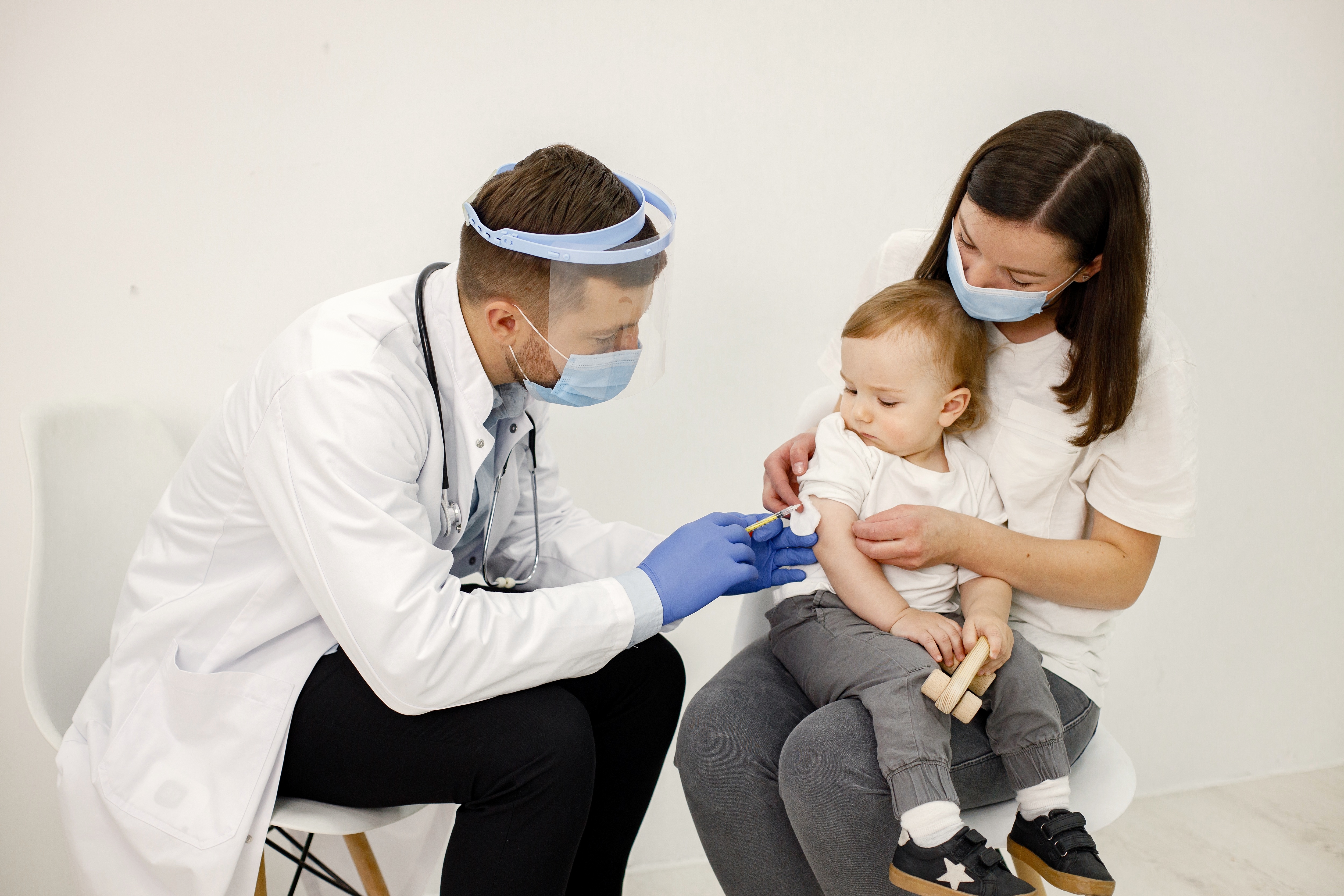
Vaccines play a vital role in keeping children healthy. The importance of vaccines for children cannot be overstated. They protect young lives from many serious diseases. In fact, following the recommended immunization schedule helps prevent outbreaks and keeps communities safe. Parents often ask about vaccine safety, effectiveness, and why childhood immunizations matter. This blog will explain why vaccines are important, how they work, and how you can keep your child protected.
What Are Vaccines and How Do They Work?
Vaccines help the body fight off certain diseases. They contain tiny, safe parts of germs or viruses. When a child gets a vaccine, their body learns to recognize and fight the real disease. As a result, if the child is exposed later, their immune system can protect them. For example, vaccines train the body to remember harmful germs. This way, children stay safe from many illnesses.
Why Are Vaccines Important for Children?
Vaccines are important for children for many reasons. First, they prevent serious diseases that can cause lasting harm. Second, they help keep schools and communities healthy. In addition, vaccines protect children who cannot get shots due to health reasons. Without vaccines, diseases like measles and polio could return. Therefore, keeping up with vaccines is key for every child’s health.
Common Childhood Vaccines and the Diseases They Prevent
Many vaccines are part of the regular childhood immunization schedule. Each one protects against a specific disease. Here are some common vaccines and what they prevent:
Following the recommended schedule ensures children get the right protection at the right time.
Safety and Effectiveness of Childhood Vaccines
Many parents worry about vaccine safety. However, vaccines are tested carefully before use. Health experts like the CDC and WHO review all vaccines for safety and effectiveness. Most side effects are mild, such as a sore arm or mild fever. Serious reactions are very rare. Because vaccines are so well-studied, they are one of the safest ways to protect children from disease.
Addressing Common Myths and Concerns
Some people worry that vaccines can cause autism or other problems. However, many studies show that vaccines do not cause autism. In fact, skipping vaccines puts children at risk for real diseases. If you have concerns, talk to your doctor. They can answer your questions and share trusted information.
How to Keep Your Child’s Vaccinations Up to Date
It is important to follow the recommended immunization schedule. This schedule tells you when your child needs each vaccine. Here are some steps to help you stay on track:
By staying organized, you can make sure your child gets all needed vaccines on time.
Tips for Parents: Supporting Your Child During Vaccinations
Getting shots can be stressful for children. However, there are ways to make it easier:
These simple steps can help your child feel safe and supported.
Prevention and Community Protection (Herd Immunity)
When many people in a community are vaccinated, diseases cannot spread easily. This is called herd immunity. As a result, even those who cannot get vaccines are protected. For example, babies and people with weak immune systems rely on others to be vaccinated. Therefore, by vaccinating your child, you help protect everyone around you.
Conclusion
Vaccines are a safe and effective way to protect children from serious diseases. They keep families and communities healthy. If you have questions about the importance of vaccines for children, consult the best pediatrician Dr. Abhiram Sadashiv for vaccination of your child. They can help you keep your child’s vaccinations up to date and offer personalized advice.