
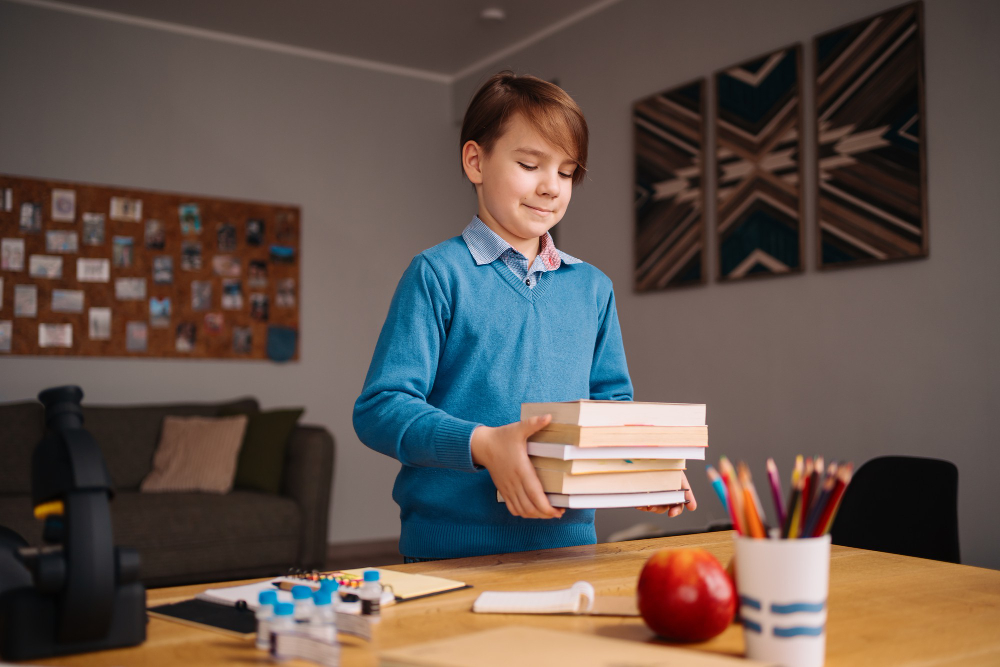
Getting ready for a new school year can feel exciting and stressful. Many parents want to prepare their child for school but are unsure where to start. With the right school readiness tips for kids, you can help your child feel confident and happy. Whether you are helping children start school for the first time or doing back-to-school preparation for parents, these steps can make the process smoother. Let’s explore five simple ways to get your child ready for a great school experience.
1. Establish a Consistent Routine
First, children thrive on routines. A steady schedule helps them know what to expect each day. Before school starts, set regular times for waking up, eating, and going to bed. This makes mornings easier and helps your child adjust to school hours. For example, start bedtime 15 minutes earlier each night until you reach the school schedule. In addition, keep meal and snack times steady. According to the CDC, routines help children feel safe and reduce stress.
2. Encourage Social Skills and Independence
Next, children need social skills to make friends and work with others. Encourage your child to share, take turns, and use polite words. Practicing these skills at home helps them feel comfortable at school. Also, teach your child to do simple tasks alone, like putting on shoes or packing a backpack. This builds confidence and independence. The American Academy of Pediatrics suggests that children who can manage small tasks feel more ready for school.
3. Visit the School Together
Before school begins, visit the school with your child. Walking around the building helps them feel less nervous. Show them their classroom, playground, and bathroom. If possible, meet the teacher or other staff. This visit helps your child know what to expect and eases first-day worries. According to the CDC, children adjust better when they are familiar with their new environment.
4. Prepare Healthy Meals and Snacks
Good nutrition helps children learn and stay focused. Plan healthy meals and snacks before school starts. Offer a variety of fruits, vegetables, whole grains, and proteins. In addition, involve your child in choosing and preparing foods. This makes them more likely to eat well at school. The World Health Organization recommends balanced meals for better growth and learning.
5. Discuss School Positively and Address Concerns
Finally, talk about school in a positive way. Share your own happy school memories or stories. If your child feels worried, listen and answer questions honestly. Let them know it’s normal to feel nervous. For example, you can say, “Many kids feel this way, but it gets easier.” The CDC notes that open conversations help children feel supported and ready for change.
In summary, preparing your child for school does not have to be hard. With these five easy steps, you can help your child feel ready and excited. If you have questions or concerns, consult your pediatrician DrAbhiram Sadashiv for personalized advice on preparing your child for school.